Types Of FIBC Bags: A, B, C & D FIBC Types Defined.
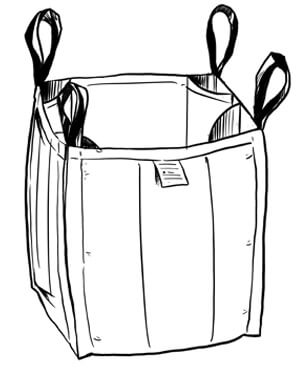
For starters, FIBC stands for Flexible Intermediate Bulk Container, or bulk bag. But knowing the different types of FIBC bags ensures you have the perfect solution for your business or need. We’re here to simplify it for you. Read below the different options and find out which is best for your job, or pick up the phone and give us a call.
What are the different types of FIBC bags?
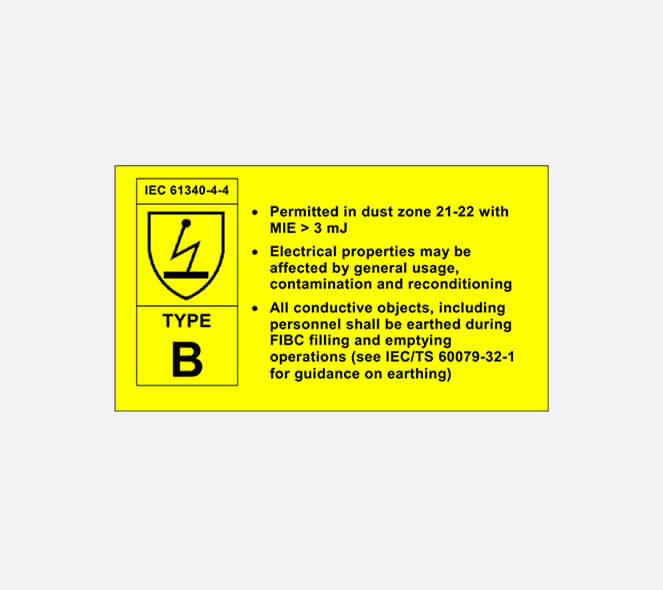
There are four main types of FIBC bags. A, B, C, and D. When FIBCs are filled and discharged, it is possible for the movement of the contents to have a buildup of static electricity. Stopping this electrical charge from increasing is crucial if you are dealing with flammable and combustible materials. Other materials may not have issues with flamibility.
01. Type A FIBC Bags (no electrostatic protection)
Type A FIBCs provide no static protection. Made of woven polypropylene (woven pp), static electricity is generated as materials rub against the inside surface of the bag as they are filled and emptied. Since there is no static protection provided by Type A bags, it is essential that they are not used to store or transport combustible materials, or used in flammable or combustible environments.
Primary Uses for Type A FIBCs:
- Non-hazardous materials.
- Locations with non-hazardous conditions.
Do NOT use for:
- When transporting flammable or hazerdous materials.
- When flammable materials or gases are present in your location.
- When a flammable atmosphere with minimum ignition energy less than 1,000mJ is present.
02. Type A FIBC Bags (no electrostatic protection)
Type A FIBCs provide no static protection. Made of woven polypropylene (woven pp), static electricity is generated as materials rub against the inside surface of the bag as they are filled and emptied. Since there is no static protection provided by Type A bags, it is essential that they are not used to store or transport combustible materials, or used in flammable or combustible environments.
Primary Uses for Type A FIBCs:
- Non-hazardous materials.
- Locations with non-hazardous conditions.
Do NOT use for:
- When transporting flammable or hazerdous materials.
- When flammable materials or gases are present in your location.
- When a flammable atmosphere with minimum ignition energy less than 1,000mJ is present.
03. Type A FIBC Bags (no electrostatic protection)
Type A FIBCs provide no static protection. Made of woven polypropylene (woven pp), static electricity is generated as materials rub against the inside surface of the bag as they are filled and emptied. Since there is no static protection provided by Type A bags, it is essential that they are not used to store or transport combustible materials, or used in flammable or combustible environments.
Primary Uses for Type A FIBCs:
- Non-hazardous materials.
- Locations with non-hazardous conditions.
Do NOT use for:
- When transporting flammable or hazerdous materials.
- When flammable materials or gases are present in your location.
- When a flammable atmosphere with minimum ignition energy less than 1,000mJ is present.
04. Type A FIBC Bags (no electrostatic protection)
Type A FIBCs provide no static protection. Made of woven polypropylene (woven pp), static electricity is generated as materials rub against the inside surface of the bag as they are filled and emptied. Since there is no static protection provided by Type A bags, it is essential that they are not used to store or transport combustible materials, or used in flammable or combustible environments.
Primary Uses for Type A FIBCs:
- Non-hazardous materials.
- Locations with non-hazardous conditions.
Do NOT use for:
- When transporting flammable or hazerdous materials.
- When flammable materials or gases are present in your location.
- When a flammable atmosphere with minimum ignition energy less than 1,000mJ is present.
COATED VS. UNCOATED.
FIBC bags are used across a varying array of industries and for many different applications. The type of product you will be storing and shipping will determine whether or not you need a coated or an uncoated bag.
COATED:
Coated FIBCs are produced with a laminated layer of polypropylene film to provide a moisture barrier, dust prevention, and weave stability.
APPLICATIONS:
Transporting and storing dry and free flowing products that come in granule, powder, or crystal form such as:
- Flour, detergents, or salt.
- Fine minerals like sand and sugar.
- Various chemicals, glass, steel, and milled corn.
UNCOATED:
Uncoated FIBCs are made without a layer of lamination that coated bags have. Their weave construction allows air to pass through. Various weave designs are available for highly specialized breathable and ventilation applications.
APPLICATIONS:
Uncoated bags are typically utilized for:
- Products that require breathability
- Food products, such as potatoes, onions, peanuts, tree nuts, coffee beans, etc.
- Minerals such as rocks, gravel, sand, etc.
BAG CONSTRUCTION
4-PANEL
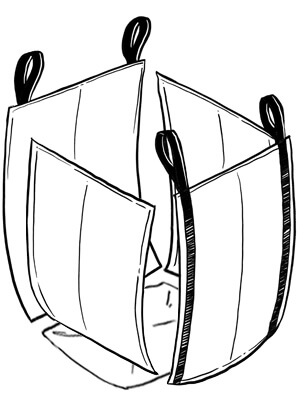
The industry standard, 4 separate panels are sewn together along the seams with a single piece being sewn along the bottom.
U-PANEL
One piece of fabric forms 3 sides, two opposite sides and bottom. Two additional sides are sewn into the larger piece to form the bag.
CIRCULAR
One piece of fabric forms all 4 sides of the bag with a single piece sewn on to the bottom and top.
4-PANEL
The industry standard, 4 separate panels are sewn together along the seams with a single piece being sewn along the bottom.
U-PANEL
One piece of fabric forms 3 sides, two opposite sides and bottom. Two additional sides are sewn into the larger piece to form the bag.
How to contact us.
If you’ve got questions or want to talk bulk bags, we want to listen! Give us a call or fill out the form and we’ll be in touch!

Our Location
6001 Horizon West Parkway
Grovetown, GA 30813

Phone Number

info@palmetto-industries.com

Get a quote today!
Fill out the contact form below and one of our product
experts get back with you as soon as possible!